
🧘 Rituals & Recovery
Recovery rituals help improve sleep, reduce stress, and support daily energy without adding unnecessary complexity. At TEB, we favor short, sustainable practices that fit real life: natural light, breathing, walking, cold exposure, or evening decompression. The goal is not constant optimization, but a simple system that helps the body recover more steadily over time.
Latest rituals
Practical actions for real life: calm the nervous system, recover more steadily, and regain momentum without overload.

Spring Energy Reset
Read →: Spring Energy ResetSpring Reset • Health & Biohacking Boost your energy after winter: my 30-day reset protocol A simple 30-day protocol to…
Digital sunset – Screens off 60 minutes before sleep
Read →: Digital sunset – Screens off 60 minutes before sleepHealth & Biohacking › Rituals & Recovery › Ritual card Night does not start when you fall asleep. It starts…
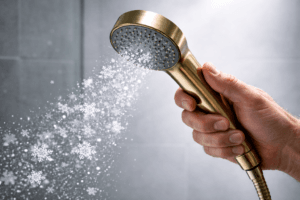
Finish your shower with cold water
Read →: Finish your shower with cold waterHealth & Biohacking › Rituals & Recovery › Ritual card A short gesture – a clear signal. Not a challenge,…
Decompression walk
Read →: Decompression walkHealth & Biohacking › Ritual card Decompression walk 15 minutes after 6 pm to lower mental load. Our modern days…
Sun, expose yourself before 10 a.m
Read →: Sun, expose yourself before 10 a.mHealth & Biohacking › Ritual Sheet Sunlight — expose yourself before 10 a.m. 10–15 minutes of natural light → better…
Glycine, 3 grams at night
Read →: Glycine, 3 grams at nightHealth & Biohacking › Rituals & Recovery Glycine at night – 3 g protocol for better sleep Deeper sleep, smoother…





Recovery Rituals – Key Points
Why does a short ritual often work better than a perfect protocol?
Because recovery depends on consistency. A daily action, even a minimal one, creates a stable signal for the body. Intensity can come later.
Where should you start if your energy is low?
Choose one five-minute ritual: a slow walk, simple breathing, gentle mobility, or natural light exposure. The goal is to restart the system without adding stress.
How often should you practice these rituals?
Aim for four to six days per week for a short ritual, and one to two sessions per week for a longer version lasting 10 to 20 minutes. Consistency matters more than performance.
How do you know if you are truly recovering?
Simple indicators include more stable sleep, steadier mood, less stiffness in the morning, and better stress tolerance. Sleep quality and recovery play a central role in nervous system balance, as explained by the Sleep Foundation.
When should certain rituals be avoided?
If stress is already high, if you have a medical condition, or if you are on specific medication. When in doubt, start with the gentlest options: walking, light exposure, mobility, and slow breathing.
TEB framework – minimal, sustainable, progressive
We favor simple rituals that can be integrated into real life and adjusted to your current load. This content is informational and does not replace medical advice. If you have a condition, treatment, or doubt, adapt with a qualified professional.